
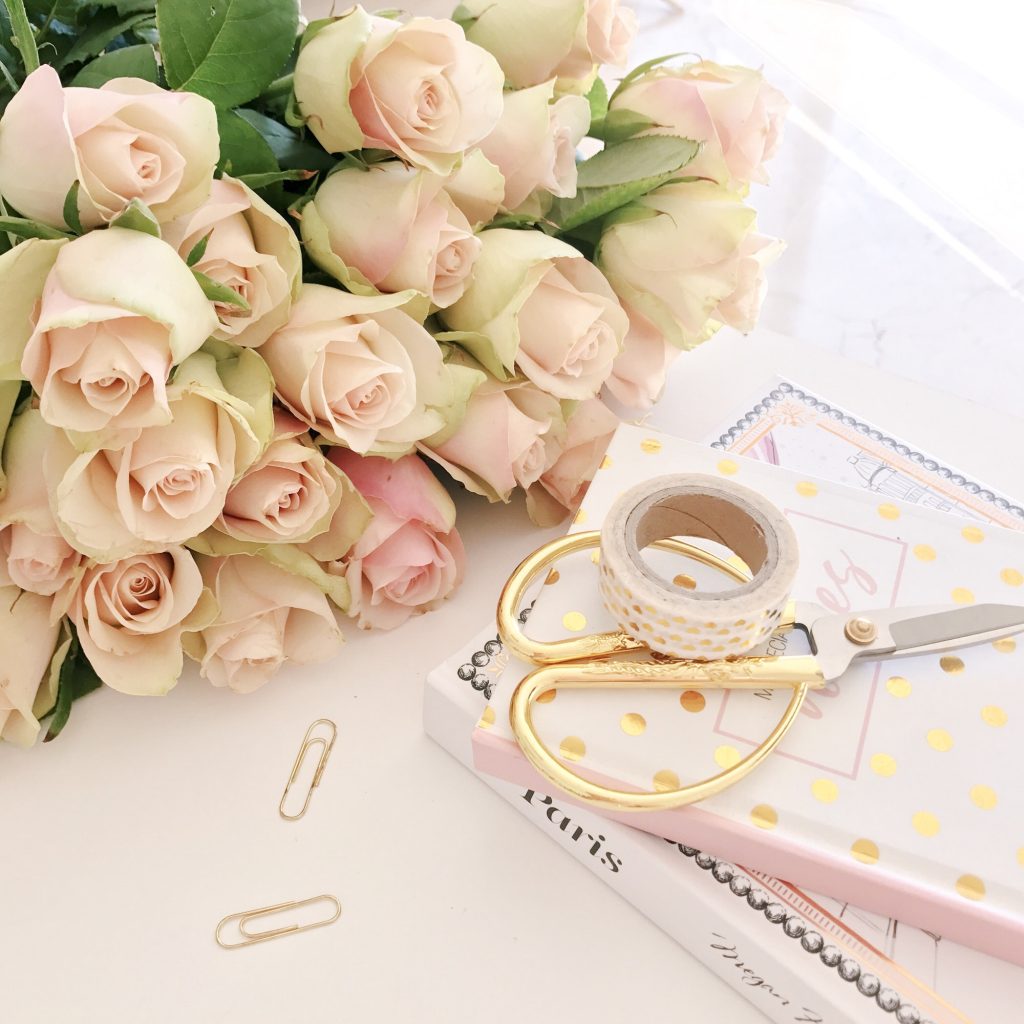
Artificial Flowers vs. Real Flowers: Which Is Better for Your Business?
Introduction
Flowers play an important role in retail displays, weddings, hotels, restaurants, and interior decoration. However, choosing between artificial flowers and real flowers can affect purchasing costs, maintenance requirements, product availability, and the overall customer experience.
For retailers, florists, event planners, and commercial buyers, the best choice depends on the intended application, budget, and business goals.
In this guide, we compare artificial flowers and real flowers to help you make a more informed purchasing decision.
1. Appearance and Design Flexibility
Real flowers offer natural textures, fragrance, and organic variations that many customers appreciate. They are often preferred for fresh floral gifts, special occasions, and arrangements where natural fragrance is important.
Artificial flowers are available in a wide range of flower types, colors, sizes, and styles. Depending on the product, they can be used to create consistent arrangements for retail displays, interior decoration, weddings, and commercial projects.
For businesses that need coordinated colors or repeatable designs, artificial flowers can offer greater flexibility in planning displays and maintaining a consistent visual style.
Which is better?
Choose real flowers when natural fragrance and the experience of fresh blooms are priorities. Consider artificial flowers when design consistency, long-term decoration, and flexible styling are more important.
2. Cost and Long-Term Value
The purchase price is only one part of the total cost of using flowers in a business.
Real flowers may require regular replacement, appropriate storage, water, and daily care. These requirements can add to operating costs, particularly for displays that need to remain attractive over an extended period.
Artificial flowers generally do not require watering or routine replacement due to natural wilting. They can be reused for suitable applications, although cleaning, storage, and occasional replacement may still be necessary.
For wholesale buyers, the overall value of artificial flowers depends on the initial product cost, order quantity, quality, expected reuse, and storage requirements.
Which is better?
Artificial flowers may offer better long-term value for reusable displays and ongoing decoration. Real flowers may be more suitable for businesses whose customers specifically expect fresh floral products.
3. Maintenance and Durability
Real flowers are living products. Their condition can change depending on temperature, water availability, handling, and the type of flower. Businesses using fresh flowers often need processes for storage, display maintenance, and replacement.
Artificial flowers typically require less day-to-day care. They can be used in many indoor settings where regular watering is inconvenient, although dust removal and careful storage are still important.
Product durability varies by material, construction, exposure to sunlight, humidity, and handling. Buyers should evaluate the actual product rather than assume that every artificial flower has the same lifespan.
Which is better?
Artificial flowers are often practical for long-term displays, hotel interiors, retail spaces, and reusable event decorations. Real flowers remain a strong choice for fresh arrangements and short-term floral experiences.
4. Availability and Seasonal Planning
The availability of real flowers can depend on growing seasons, local supply, weather, and transportation. Certain varieties or colors may require additional planning, particularly for large events.
Artificial flowers can provide more predictable options for repeat orders and coordinated displays, subject to the supplier’s stock, production capacity, and lead times.
For wholesale purchasing, it is still important to confirm product availability, color options, minimum order quantities, and delivery schedules before committing to a project.
Which is better?
Artificial flowers can simplify planning for recurring displays and projects that require consistent colors. Real flowers may be preferable when seasonal varieties or naturally blooming flowers are central to the design.
5. Best Applications for Artificial Flowers
Artificial flowers are suitable for many business applications where reusable decoration and consistent appearance are valuable.
Common applications include:
- Retail Stores: Window displays, seasonal decoration, and product presentation.
- Hotels and Restaurants: Reception areas, dining spaces, and decorative arrangements.
- Weddings and Events: Floral arches, ceremony backdrops, table centerpieces, and reusable installations.
- Interior Design: Office spaces, showrooms, and residential decoration.
- Wholesale and Floral Supply: Flower stems, ready-made bouquets, and decorative greenery for resale or floral projects.
The most suitable products depend on the installation, desired appearance, budget, and maintenance plan.
6. When Real Flowers May Be the Better Choice
Artificial flowers are not the best solution for every situation.
Real flowers may be the better option when:
- Natural fragrance is an important part of the experience.
- Customers specifically request fresh flowers.
- The arrangement is intended to highlight seasonal blooms.
- Freshness and natural variation are essential to the design.
- The business specializes in fresh floral gifts or perishable floral products.
Understanding these differences helps businesses select products that meet their customers’ expectations rather than choosing based on price alone.
7. How to Choose the Right Option for Your Business
Before making a purchasing decision, consider these questions:
- What is the main application? Determine whether the flowers are intended for retail sales, gifts, events, or long-term decoration.
- How often will the arrangement be replaced? Consider the expected display period and whether products can be reused.
- What is the total operating cost? Include purchasing, maintenance, storage, replacement, and labor.
- How important is design consistency? Consider whether repeat orders need to match existing arrangements.
- What do your customers expect? Choose products that align with customer preferences and the positioning of your business.
For wholesale buyers considering artificial flowers, requesting samples and confirming product specifications can help reduce uncertainty before a larger order.
Conclusion
Both artificial flowers and real flowers have advantages. Real flowers offer natural fragrance and the appeal of fresh blooms, while artificial flowers can provide reusable decoration, flexible design options, and reduced day-to-day maintenance.
For businesses planning retail displays, weddings, hotels, restaurants, or long-term interior decoration, artificial flowers may be a practical solution. For fresh floral gifts and applications where natural fragrance is essential, real flowers may be the better choice.
The right option depends on your customers, budget, application, and purchasing requirements.
Looking for artificial flowers for your business?
Explore our artificial flower stems, flower bouquets, and greenery collections to find suitable options for your next project.
Contact our team to discuss wholesale quantities, product specifications, customization options, and packaging requirements.
Request a Wholesale Quote